

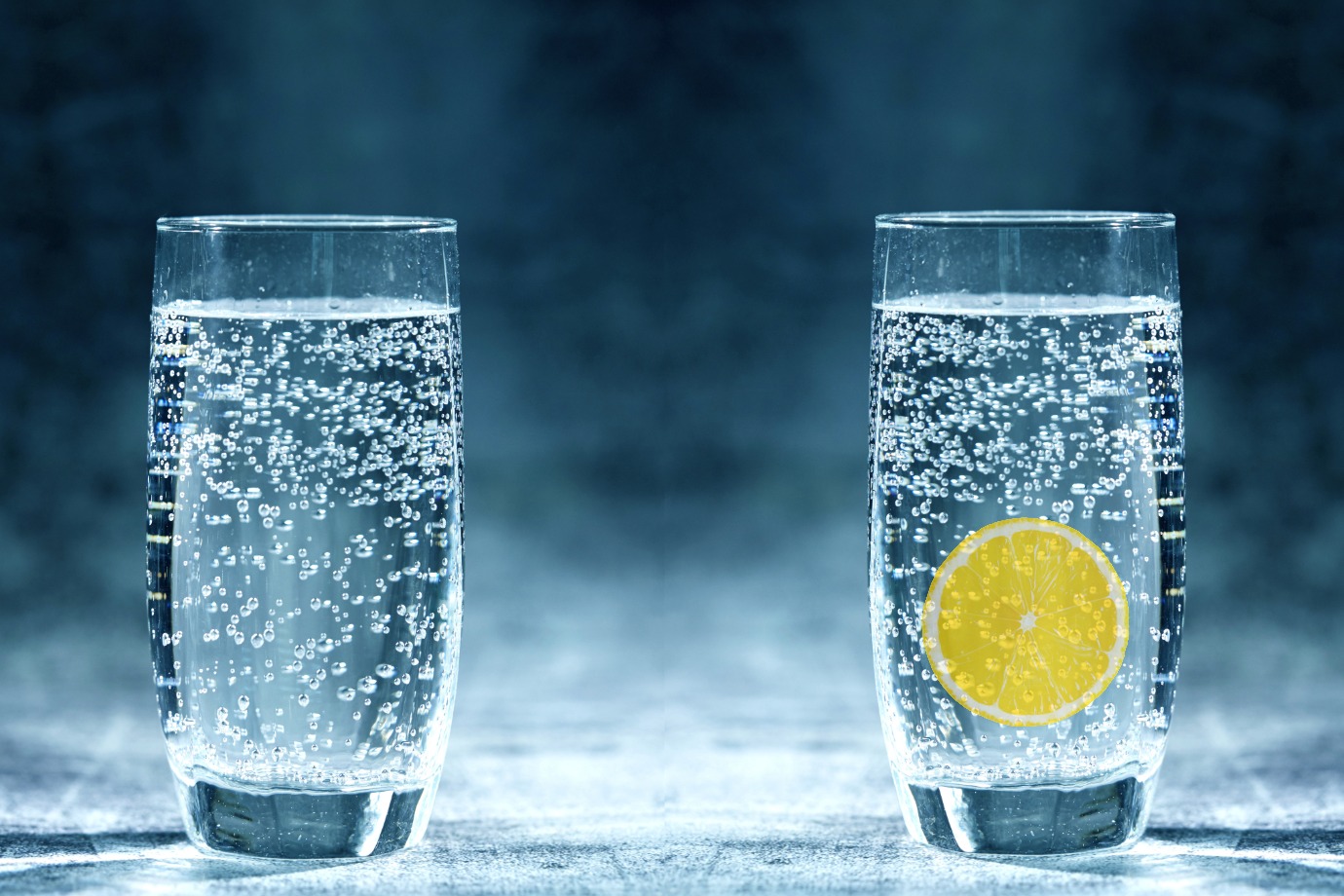
You switched from fizzy drinks to sparkling water, and you start every morning with a glass of warm lemon water. Both feel like the healthy choice, so it comes as a surprise when someone mentions that they might be doing something to your teeth. Is that true, or is it one more wellness scare?
The honest answer sits in the middle. Dr. David Roze, a biological dentist with 13+ years of clinical practice in Dubai and the founder of ROZE BioHealth, sees the effects of daily dietary acid regularly in his patients, and he also sees how easily they can be softened with small habit changes. Here is what is actually happening to your enamel, and what you can do without giving up the drinks you enjoy.
Why acid matters to enamel
Enamel is mostly mineral, and minerals dissolve in acid. When the pH of the mouth drops below roughly 5.5, the surface of the enamel begins to lose calcium and phosphate. This is a normal, daily event, and saliva is designed to neutralise the acid and return minerals to the surface over the following minutes and hours.
Trouble arises when the acid exposure is frequent or prolonged. If the mouth is repeatedly pushed back into an acidic state, saliva never gets time to finish the repair. Over months and years, the enamel can thin, lose its natural gloss and become more prone to sensitivity. This process is called erosion, and it is separate from decay caused by bacteria.
Sparkling water: mildly acidic, rarely the villain
Plain sparkling water is made by dissolving carbon dioxide in water, which forms a weak carbonic acid. That gives it a pH that is usually somewhere around 5 to 6, a little lower than still water but far gentler than cola, fruit juice or sports drinks, which tend to be considerably more acidic and often contain sugar as well.
For most people, unflavoured sparkling water sipped as part of the day is a reasonable choice, and a far better one than sugary soft drinks. The details matter though.
- Flavoured versions change the picture. Added citric or other fruit acids can lower the pH noticeably, sometimes close to that of a soft drink.
- Sipping all day is harder on enamel than drinking in one sitting. Each sip restarts the acid exposure.
- Sugar changes everything. Sweetened sparkling drinks add fuel for bacteria on top of the acid.
Lemon water: small amount of lemon, real amount of acid
Lemon juice is strongly acidic, with a pH commonly cited at around 2. Squeezing a slice into a large glass dilutes it considerably, yet the finished drink often remains acidic enough to soften the enamel surface temporarily. Warm lemon water, taken slowly on an empty stomach each morning, tends to be the more problematic pattern, because the teeth are bathed in acid for a long stretch before any food buffers it.
Lemon water also has real appeal: it encourages people to drink more water and avoids sugar. The aim is not to ban it, but to drink it thoughtfully.
Signs your enamel may be feeling the strain
- Teeth that feel sensitive to cold air, cold drinks or sweet foods
- Edges of the front teeth that look slightly translucent or worn
- Teeth that appear more yellow, as the thinner enamel lets the darker dentine show through
- Small hollows or a smooth, glassy look on the biting surfaces
None of these signs proves erosion on its own, and they have several possible causes. If you notice them, a dentist can examine the teeth properly and advise you.
The brushing mistake many people make
One of the most common errors is brushing straight after an acidic drink. It feels like the clean thing to do, yet enamel that has just been softened by acid is more vulnerable to the abrasion of the brush. Many dentists suggest waiting around 30 minutes before brushing, which gives saliva time to harden the surface again.
A calmer alternative is to rinse your mouth with plain water straight after the drink. This lowers the acid level quickly and costs the enamel nothing.
Simple habits that protect your enamel
You do not have to give up what you enjoy. These small adjustments make a meaningful difference.
- Drink it with a meal. Food stimulates saliva and buffers acid, so a glass of lemon water or sparkling water alongside lunch is gentler than one taken alone.
- Finish it rather than sip it for hours. A defined window limits the total time your teeth spend in acid.
- Use a straw for lemon water. It directs liquid past the front teeth.
- Dilute generously. A thin slice in a large glass is kinder than a full squeeze.
- Follow with plain water. A few mouthfuls of still water help rinse away what remains.
- Choose unflavoured sparkling water. Check labels for citric acid and sugar.
- Wait before brushing. Around half an hour is a sensible gap.
Supporting enamel between the acid events
Because saliva restores minerals to enamel, anything that supports that exchange is useful. Staying hydrated, chewing sugar-free gum after meals if you like it, and eating foods rich in calcium all help. The toothpaste you use can also play a supporting role.
A remineralising toothpaste based on hydroxyapatite supplies calcium and phosphate, the same minerals enamel loses to acid, directly to the tooth surface. The particles can also settle into tiny surface irregularities, which many people find leaves teeth feeling smoother. It is a supportive habit, not a shield against unlimited acid, and it works best alongside the drink habits above. People whose teeth already feel sensitive after acidic drinks sometimes find a gentle sensitive toothpaste of this kind particularly comfortable.
ROZE BioHealth’s Natural Fresh Mint Toothpaste is formulated with 15% micro-hydroxyapatite and without SLS, parabens or artificial sweeteners, which keeps the formula gentle enough for daily use, including by those with reactive teeth.
Frequently asked questions
Is sparkling water bad for your teeth?
Plain sparkling water is only mildly acidic and is generally considered far kinder to teeth than sugary or flavoured fizzy drinks. Sipping it constantly through the day and choosing flavoured versions with citric acid are the habits most worth reviewing.
Is lemon water bad for your teeth?
It can be, if it is taken frequently, slowly and without food. Diluting it, using a straw, finishing it within a short window and rinsing with water afterwards all reduce the effect considerably.
Should I brush my teeth after drinking lemon water?
It is usually better to wait about 30 minutes. Rinse with plain water in the meantime, and brush once saliva has had time to re-harden the enamel surface.
Can eroded enamel grow back?
Enamel contains no living cells and does not regrow once a substantial amount is lost. Early, microscopic mineral loss can be supported by remineralisation through saliva, diet and suitable toothpaste, which is why prevention and early attention matter.
Is fizzy water with lemon worse than either on its own?
Combining them adds the acidity of both, so it is a drink best enjoyed with food and not sipped over a long period.
The takeaway from the clinic
Sparkling water and lemon water are not enemies of your teeth. Their effect depends on how often, how slowly and on what kind of schedule you drink them. A few considered changes protect enamel while keeping the pleasure of the habit. If you are noticing sensitivity or changes in how your teeth look, a conversation with your dentist is the best next step.
And for those looking for a gentle, dentist-formulated daily paste to support enamel, ROZE’s range is one option worth exploring.