

You floss, you see pink in the sink, and a quiet logic takes over: flossing must be hurting my gums, so I will stop. It is one of the most common reactions dentists hear, and it is understandable. Unfortunately, it tends to make things worse.
Dr. David Roze, a biological dentist with 13+ years of clinical practice in Dubai and the founder of ROZE BioHealth, sees this pattern regularly. Patients arrive with gums that bleed readily, often after weeks of avoiding the floss. In most cases, the bleeding is not caused by flossing at all. It is a sign that the gums are already inflamed, and that the area needs more careful cleaning, not less.
Why gums bleed in the first place
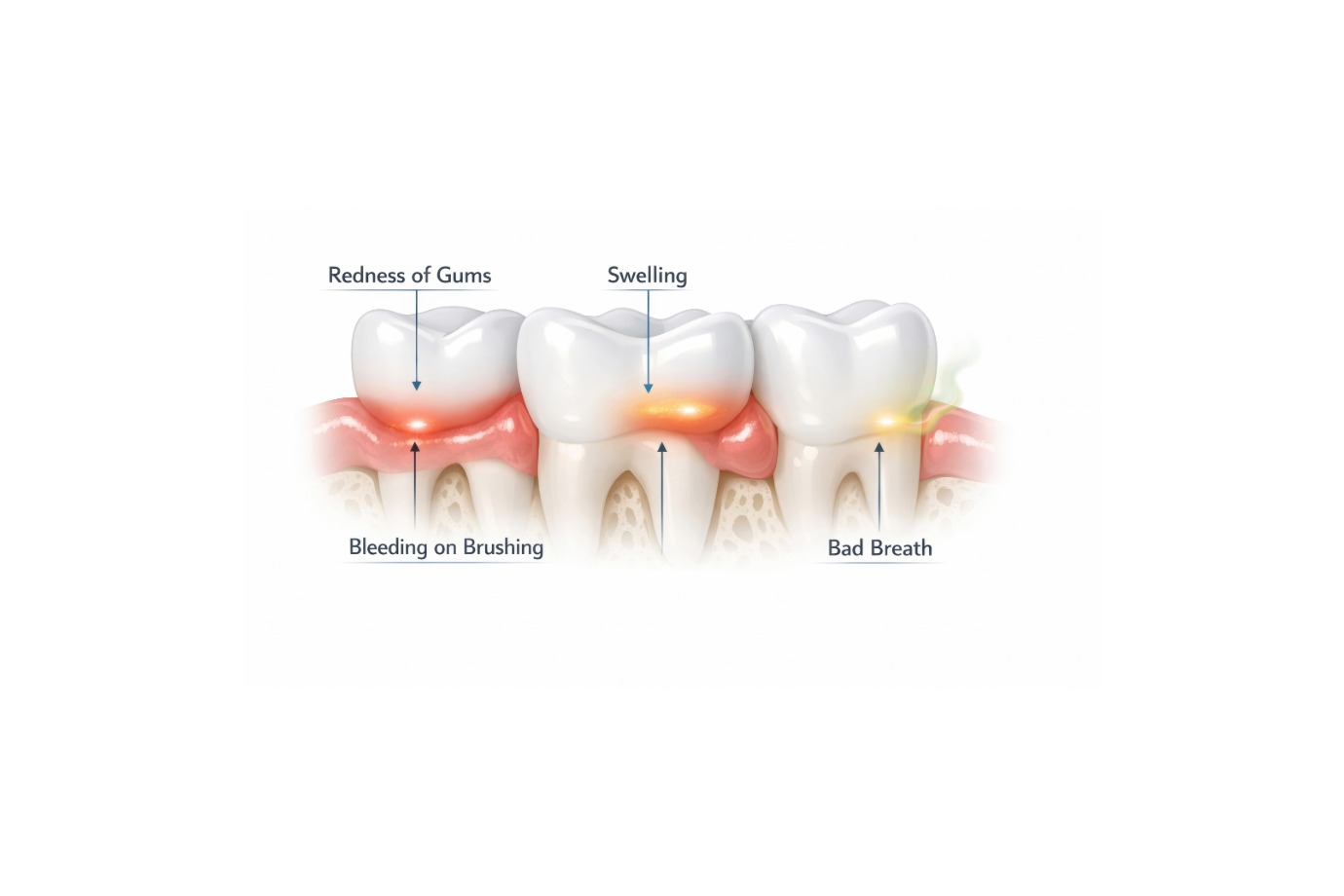
Healthy gums are firm, pale pink and do not bleed with gentle cleaning. When they do bleed, the most common reason is gingivitis, an inflammation of the gum tissue caused by plaque left along and beneath the gum line.
Plaque is a soft film of bacteria that forms constantly on the teeth. When it is not removed thoroughly, the bacteria irritate the gums, which respond as inflamed tissue does anywhere: they swell, redden and become fragile. The small blood vessels close to the surface are then easily disturbed by a brush or a piece of floss.
Seen this way, bleeding is not damage from your cleaning. It is a symptom pointing at the spot where plaque has been left behind, usually between the teeth where a toothbrush cannot reach.
Why stopping flossing makes it worse
If you skip the floss because the gums bleed, the plaque remains undisturbed. Within a few days it thickens and matures. Left longer still, it can harden into tartar, which cannot be removed at home and which keeps the gums irritated.
The result is a cycle many people recognise:
- Plaque builds up between the teeth.
- The gums become inflamed and bleed.
- Flossing is avoided because of the bleeding.
- More plaque builds up, the inflammation deepens, and the gums bleed even more easily.
The encouraging part is that this works in reverse as well. When plaque is removed consistently, inflamed gums often calm down within one to two weeks. The bleeding usually lessens first, which is a welcome sign that the tissue is recovering.
What to expect when you restart
Expect some bleeding in the first few days. It does not mean you are doing harm. Keep going, with gentle technique, and it should ease progressively. If it does not improve after about two weeks of careful daily cleaning, or if the gums are painful, swollen or receding, book a dental appointment.
How to floss without making things worse
Technique matters more than force. Many people floss too aggressively, which can irritate the gums, or too quickly, which misses the area it is meant to clean.
- Use a clean section of floss each time, about 40 cm, wound lightly around the fingers.
- Slide it gently between the teeth rather than snapping it down onto the gum.
- Curve the floss into a C shape against one tooth and move it up and down along the surface, slightly below the gum line.
- Repeat on the neighbouring tooth before moving on.
- Be unhurried. A calm minute or two is better than a rushed, forceful effort.
If floss is difficult for you, interdental brushes or a water flosser are well-established alternatives. The aim is simply to disturb the plaque between your teeth every day, using whichever tool you can sustain.
Brushing for gum health
Flossing is only one half of the picture. A soft toothbrush, angled gently toward the gum line, helps to clear plaque where the teeth and gums meet. Short, light strokes for two minutes, twice a day, work better than hard scrubbing, which can contribute to gum recession and enamel wear.
Bamboo toothbrushes with soft or nano bristles are a thoughtful option for tender gums. ROZE’s Dental Kit pairs a toothpaste with a bamboo toothbrush in either a Nano or Soft bristle, which is a considered starting point for anyone rebuilding a gentler routine.
Other reasons gums may bleed
Plaque is the most common cause, though not the only one. A dentist can help distinguish between them.
- Hormonal changes, including pregnancy, can make gums more reactive to plaque.
- Smoking and shisha can hide the bleeding that would normally warn of gum disease, because they reduce blood flow to the tissue.
- Certain medications, including blood thinners, can increase the tendency to bleed.
- Stress, poor sleep and diet can influence the body’s inflammatory response.
- Ill-fitting dental work or crowded teeth can make cleaning harder.
- Periodontitis, a more advanced gum condition, needs professional diagnosis and treatment.
Persistent bleeding, bad breath that does not go away, loose teeth or gums that appear to be pulling back are all reasons to see a dentist without delay.
Choosing a toothpaste when your gums are sensitive
When gums are tender, the ingredients in your toothpaste can matter. Sodium lauryl sulfate (SLS), a common foaming agent, can irritate soft tissue in some people. Harsh flavouring and strongly abrasive particles can add to the discomfort.
A biological approach to dentistry looks at the mouth as a balanced ecosystem, so gentle, natural formulations that respect the oral microbiome make sense in this context. ROZE’s hydroxyapatite toothpaste, made in the UAE, contains 15% micro-hydroxyapatite with an alkaline pH, and is free from SLS, parabens, artificial colours and sweeteners. No toothpaste treats gum disease, and it is mechanical cleaning that removes plaque, but a gentle formula is a comfortable partner for the routine.
A simple gum-care routine
- Clean between your teeth once a day, ideally in the evening.
- Brush gently twice a day with a soft brush.
- Clean your tongue to reduce the overall bacterial load.
- Limit sugary snacks and drinks that feed plaque bacteria.
- Book regular dental check-ups and professional cleanings.
Frequently asked questions
Is it normal for gums to bleed when I floss?
It is common, but it is not a sign that all is well. Bleeding usually indicates inflammation from plaque. It generally settles with daily, gentle cleaning, and if it does not, a dentist should look at it.
How long until bleeding stops after I start flossing again?
Many people notice an improvement within a week or two of consistent, gentle cleaning. Persistent bleeding beyond that deserves a professional examination.
Should I stop flossing if my gums are sore?
Not usually. Reduce the pressure and use a gentler technique, or switch to soft interdental brushes. If there is real pain or swelling, see your dentist, who can check for underlying causes.
Can a toothpaste stop my gums bleeding?
Not on its own. Removing plaque is what calms the gums. A gentle, SLS-free toothpaste may be more comfortable on sensitive tissue, and fluoride-free, hydroxyapatite formulas are a sound option for adults and children alike.
Is bleeding gums a sign of serious disease?
Most often it is early, reversible gingivitis. Left unattended, however, it can progress, which is why it is wise not to ignore it.
The expert takeaway
Bleeding gums are a message, not a verdict. They tell you that plaque has been sitting somewhere the brush cannot reach, and they respond well to gentle, consistent care. Stopping the floss only delays the recovery. Keep going, be kind to the tissue, and let the gums settle.
For those who would like a gentle, dentist-formulated, fluoride-free toothpaste to accompany that routine, ROZE’s range offers one place to start. If bleeding persists, your dentist is the right person to speak to.