

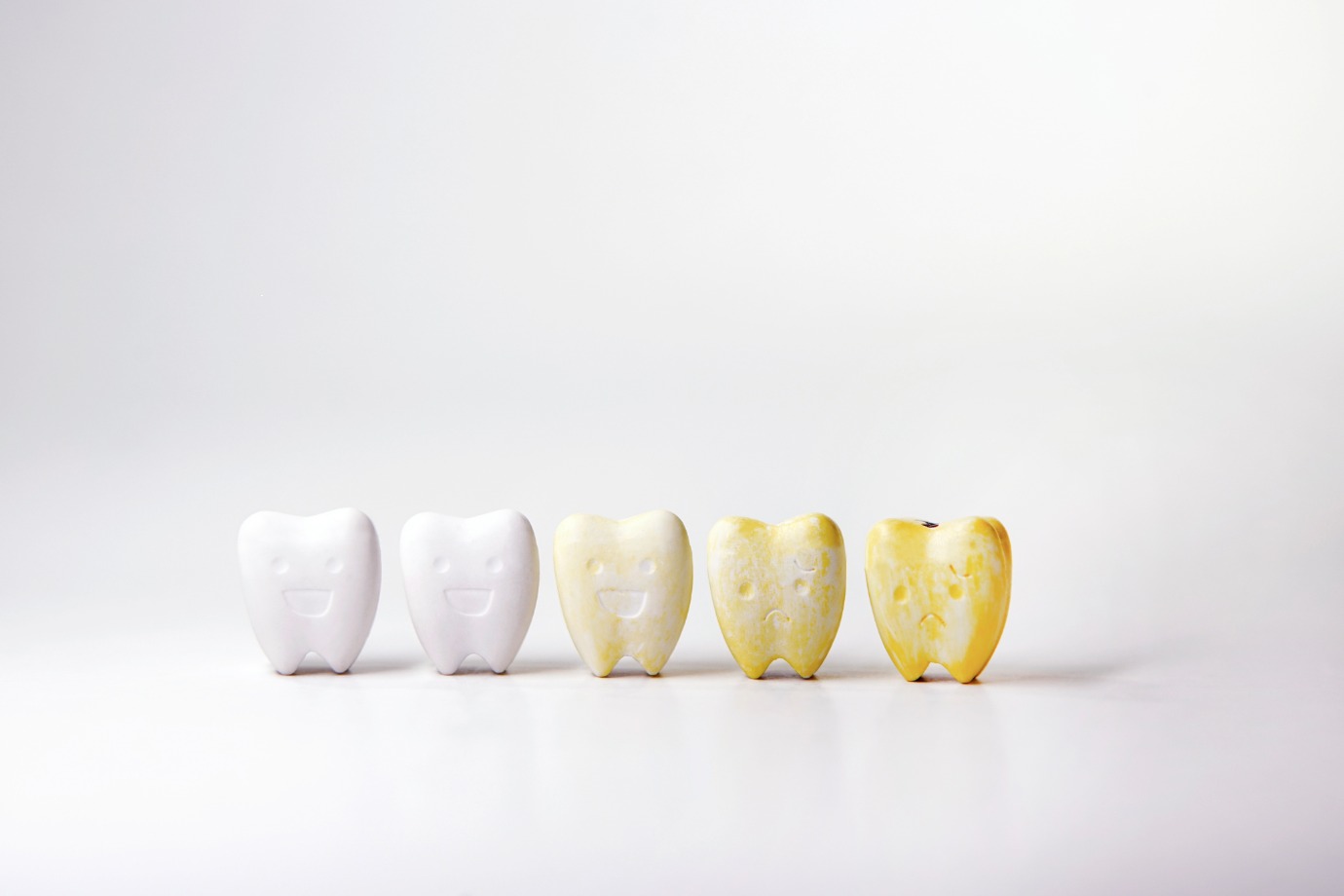
Walk through almost any shopping centre in Dubai and you will pass a whitening promise: a laser bay, a glowing LED kit, a charcoal powder, a strip that guarantees “three shades in a week”. In a city where a bright smile is part of everyday presentation, the demand is understandable. What is less discussed is the cost some of these methods can quietly charge your enamel.
This guide looks at teeth whitening in Dubai from a clinical point of view: which approaches are generally considered reasonable, which ones deserve caution, and how to keep teeth bright without wearing away the very structure that protects them. It draws on the philosophy of Dr. David Roze, a biological dentist with 13+ years of clinical practice in Dubai and the founder of ROZE BioHealth, who believes the healthiest white smile is the one that stays strong for decades.
First, understand what colour your teeth really are
Teeth are not meant to be paper white. Enamel is a semi-translucent shell, and the layer beneath it, dentine, is naturally yellowish. The overall shade you see is the interplay of both. Thin enamel lets more dentine show through, which means that wearing enamel down can make teeth look yellower, not whiter.
Discolouration generally falls into two groups:
- Extrinsic stains sit on the surface. Coffee, tea, red wine, tobacco, shisha and some mouthwashes are common causes, and Dubai’s café culture gives many residents plenty of exposure.
- Intrinsic stains come from within the tooth. Ageing, certain medications, trauma and developmental factors can all play a part, and these respond differently to treatment.
Knowing which type you have matters, because the right approach for one can be pointless or harmful for the other.
What generally works
Professional supervised whitening
Dentist-led treatments use controlled concentrations of peroxide-based agents and protect the gums while they are applied. Used appropriately, and after a proper examination, they are considered an effective route for many people. Some temporary sensitivity is common, and your dentist can advise on how to manage it. A check-up first is important: whitening does not change the colour of fillings, crowns or veneers, and untreated decay or gum problems should be addressed beforehand.
Professional cleaning
A scale and polish removes the surface staining and tartar that build up between visits. For many people with extrinsic stains, this alone brings a visible improvement, with no chemical agents required.
Dentist-approved take-home options
Custom-fitted trays with a professionally recommended gel can give gentler, more controlled results than one-size-fits-all kits, because they hold the product where it is needed and keep it off the gums.
Reducing the stain at its source
Rinsing with water after coffee or tea, using a straw for iced drinks, and cutting back on tobacco and shisha reduce the amount of staining that forms in the first place. It is the least glamorous advice, and the most reliable.
What can quietly wear your enamel down
Enamel cannot regrow once it is lost. That single fact should shape every decision about whitening. A few popular methods deserve particular caution.
Charcoal powders and abrasive pastes
Many “natural” whitening powders work by scrubbing. Some are quite abrasive, and they can polish away surface stain together with a little of the enamel beneath. The effect looks pleasing at first, and the cost shows up later as increased sensitivity and teeth that look duller or more yellow over time.
Acidic home remedies
Lemon juice, apple cider vinegar and similar kitchen “hacks” circulate widely online. Acids soften enamel, and brushing soon afterwards can remove the softened layer. Dentists generally advise strongly against them.
Unregulated kiosks and high-strength kits
Cosmetic whitening offered without a dental examination, or kits using unknown concentrations, can cause gum irritation, uneven results and heightened sensitivity. If a provider cannot tell you what is in the product, that is reason enough to step back. In the UAE, it is sensible to choose a licensed dental professional.
Over-whitening
Repeating treatments too often can leave teeth sensitive and can give a slightly translucent, grey-looking edge. Brighter is not always better, and the aim should be a natural shade that suits you.
Surface brightening versus strengthening from within
This is the point at which toothpaste choice becomes relevant. Many whitening toothpastes rely on abrasives or chemical agents to lift stain from the surface. Fluoride, for its part, works as a surface-level additive on the tooth: it acts on the outside, and it is a synthetic ingredient, and a trace is swallowed with each brush. For anyone interested in whitening, the more compelling approach is to work with the tooth’s own mineral rather than coat it.
Hydroxyapatite is the mineral from which about 97% of enamel is made. A toothpaste built on it can help to rebuild and smooth the enamel surface from within, filling microscopic imperfections where stain tends to settle. A smoother surface reflects light more evenly, so teeth often look brighter without bleaching and without abrasion. This is why many people find that a hydroxyapatite toothpaste, used consistently, gives a quieter, more natural kind of whitening, alongside the benefit of stronger enamel.
| Approach | How it works | Effect on enamel | Best suited to |
|---|---|---|---|
| Professional peroxide whitening | Chemically lightens stain within the tooth | Neutral when supervised, may cause temporary sensitivity | Intrinsic and deeper staining |
| Scale and polish | Removes surface stain and tartar | Neutral | Extrinsic stain, regular maintenance |
| Abrasive powders and pastes | Scrubs stain from the surface | Can wear enamel with repeated use | Rarely recommended |
| Acidic home remedies | Softens the surface layer | Can erode enamel | Best avoided |
| Hydroxyapatite toothpaste | Smooths and remineralises the surface from within | Supports enamel rather than removing it | Daily maintenance, sensitive teeth |
Choosing a daily toothpaste for a brighter smile
Since you brush twice a day, your toothpaste does more to shape the long-term look of your teeth than any single treatment. A few questions help when you are reading labels:
- Is the abrasive system gentle? Look for formulas that do not rely on harsh scrubbing agents.
- Does it contain a remineralising ingredient such as hydroxyapatite?
- Is it free from SLS, artificial colours and artificial sweeteners?
- Has it been formulated by dentists, with a clear ingredient list?
ROZE BioHealth makes the first toothpaste with 15% hydroxyapatite in the Middle East, made in the UAE and free from fluoride, SLS, parabens, artificial colours and microplastics. The Natural Vanilla Toothpaste is a gentler-tasting option for those who find mint too sharp. Its approach to whiteness is the quiet one: filling surface imperfections rather than bleaching or abrading them.
A sensible whitening plan
- Book a dental examination so decay, gum concerns and restorations are accounted for.
- Ask for a professional clean to remove surface stain.
- If you want a deeper change, discuss supervised whitening and what shade is realistic.
- Maintain with a gentle, remineralising toothpaste and a soft brush.
- Limit staining habits and rinse with water after coffee, tea and wine.
Frequently asked questions
Is teeth whitening safe for enamel?
Supervised whitening with professional products is generally considered acceptable for healthy teeth, though it can cause temporary sensitivity. The greater risk to enamel tends to come from abrasive powders, acidic remedies and unsupervised high-strength kits.
Can a toothpaste really whiten teeth?
Toothpastes cannot change the internal colour of a tooth. Some help remove surface stain, and a hydroxyapatite formula may make teeth look brighter by smoothing the enamel surface, which many people find gives a natural result over several weeks.
Does hydroxyapatite whiten teeth?
It does not bleach. It helps fill microscopic surface defects, leaving enamel smoother and more light-reflective, which can improve the appearance of teeth gradually.
How long do whitening results last?
It varies with diet, tobacco use and oral care. Many people find results fade over months, especially if they drink a lot of coffee, tea or red wine. Good maintenance helps to prolong them.
Can I use hydroxyapatite toothpaste after professional whitening?
Many dentists welcome it, since it is gentle and supports enamel that may feel temporarily sensitive. Check with your own dentist for advice that fits your situation.
The expert takeaway
The most attractive smile is rarely the whitest one. It is a healthy one, with strong enamel, calm gums and a natural shade. Whitening is worth approaching as a form of care for the teeth, with professional guidance, and with a lasting preference for methods that protect enamel instead of spending it.
For those exploring a fluoride-free option formulated by dentists, ROZE’s range offers one place to start. A conversation with your dentist remains the best first step.