

Most of us cannot say when we last changed our toothbrush. It lives in a cup by the sink, still looks fine, and does not announce when it has stopped being useful. So how often should you really replace it, and is the standard advice merely a habit that toothbrush manufacturers like to repeat?
Dr. David Roze, a biological dentist with 13+ years of clinical practice in Dubai and the founder of ROZE BioHealth, is asked this question constantly. His answer is practical and does not involve complicated rules. Below is the reasoning behind the usual guidance, the signs that a brush needs retiring earlier, and a few habits that make any toothbrush work better for longer.
The general rule: roughly every three months
Dental associations commonly recommend replacing a toothbrush or electric brush head about every three months. The reasoning is straightforward. Bristles gradually bend, fray and lose their stiffness with use. A worn brush is less able to reach the gumline and the spaces between teeth, so it removes plaque less effectively even though you are brushing for just as long.
Three months is a guide and not a deadline. Some people will wear a brush out faster, others more slowly, and what matters is the condition of the bristles rather than the calendar.
Signs it is time to replace it sooner
Look at the brush honestly. Any of the following suggests it has done its job.
- Splayed or flattened bristles. If the bristles fan outwards rather than standing upright, they are no longer cleaning well.
- Discolouration. Staining at the base of the bristles can show that debris is accumulating.
- A lingering smell. A brush that never fully dries can harbour bacteria.
- Bristles that feel rough or uneven. Frayed ends can irritate sensitive gums.
- After an illness. A cold, flu or mouth infection is a sensible reason to start fresh, since bristles can hold on to bacteria.
- After someone else has used it. Brushes should never be shared, and a brush that has been mixed up with another person’s is better replaced.
Children’s brushes wear out faster
Young children chew bristles, press hard and often brush with enthusiasm rather than technique. Their brushes frequently look worn well before the three-month mark, so checking them monthly is a good habit. Parents who find themselves replacing a child’s brush often should not worry, since it is a normal sign of an engaged brusher.
Why a worn brush matters
A tired brush does two things at once. First, it cleans less, so plaque is more likely to remain along the gumline, where it can contribute to gum irritation and decay. Second, a worn brush encourages people to press harder to compensate, and hard brushing is one of the most common causes of gum recession and enamel wear.
There is also a hygiene question. A damp brush kept in a bathroom is a natural place for bacteria to settle. For most healthy people this is a minor concern, but it is another reason to stay consistent about replacement and to let the brush dry thoroughly between uses.
What about electric brush heads?
The same principle applies. Replacement heads typically wear in a similar timeframe, and many include coloured indicator bristles that fade as they age. These are a helpful reminder, though they are not infallible, so continue to check the shape of the bristles yourself.
Choosing a brush worth replacing
A good brush is simple. Soft or extra-soft bristles clean effectively while protecting gums and enamel, and a small head reaches the back teeth comfortably. Hard bristles are rarely better, and most dentists advise against them. If your gums are sensitive, a nano or ultra-fine bristle can feel especially gentle.
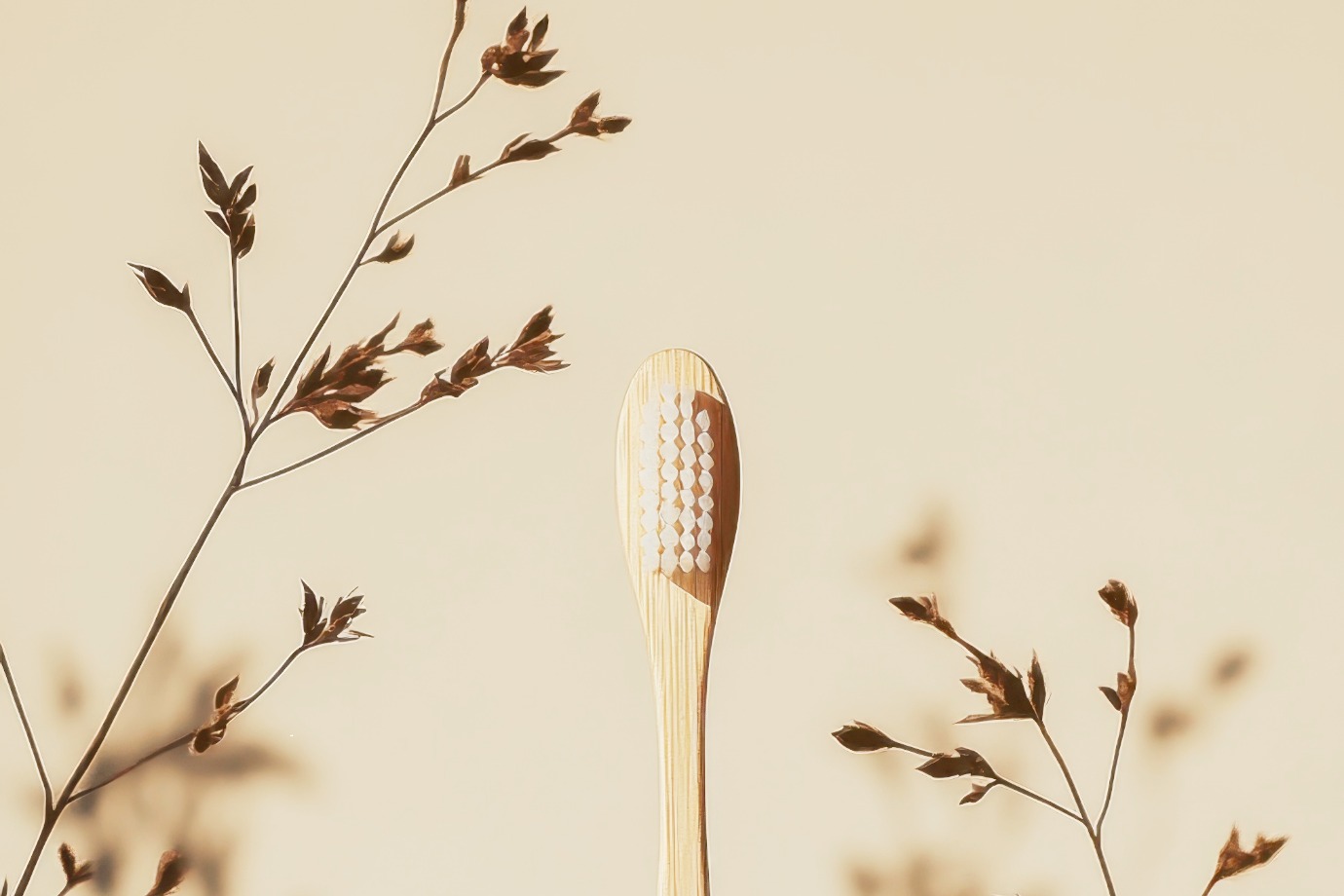
Some people also prefer a more sustainable option. Bamboo handles are compostable, which suits households trying to reduce plastic waste, and a regular replacement cycle makes that choice matter even more. ROZE’s Dental Kit pairs a toothpaste with a bamboo toothbrush in either Nano or Soft bristles, which makes the routine easy to refresh together.
Habits that keep any brush working better
- Rinse thoroughly after use. Clear away toothpaste and debris under running water.
- Store it upright. Let it air dry in an open space and not in a closed case or a sealed cup.
- Keep brushes apart. If heads touch in a shared holder, bacteria can transfer between them.
- Brush gently. Light pressure, angled towards the gumline, cleans more effectively than scrubbing.
- Brush for two minutes, twice a day. Technique and time matter more than any feature.
- Replace the brush at the start of each season. Tying it to an easy date makes it a habit that sticks.
Do not forget the toothpaste
A fresh brush makes the most of whatever toothpaste goes on it. Choosing a gentle natural toothpaste, free of harsh abrasives and sodium lauryl sulfate, suits a new set of bristles well. Hydroxyapatite toothpaste, for example, is a mineral that helps support enamel as the brush does the cleaning, and it is gentle enough for children and for sensitive mouths. The best pairing is one you will use consistently.
Families can also make replacement day a small ritual: a new brush and, for children, a toothpaste flavour they enjoy. Anything that makes brushing feel like a pleasure rather than a chore is clinically useful.
Travel, storage and shared bathrooms
Where a brush lives affects how long it stays clean. A travel case is useful for a journey, but a damp brush sealed inside one stays damp, which encourages bacteria. Let the brush dry in open air first, and take it out of the case as soon as you arrive.
In a shared bathroom, keep each brush in its own slot with a little space around it. Standing a brush close to the toilet is best avoided, and a closed cabinet is a better home than an open windowsill if the room is small. These are small points, yet together they make the three-month cycle far more meaningful.
It also helps to remember that people with braces, crowns or implants, or those who have had gum treatment, may be advised by their dentist to replace brushes sooner or to use a particular bristle type. Your own clinician knows your mouth best.
Frequently asked questions
Is it really necessary to replace a toothbrush every three months?
It is a sensible guideline because bristles wear down gradually and clean less well. Some brushes need replacing sooner, and checking the bristles is more reliable than counting days.
Should I replace my toothbrush after being sick?
Many dentists suggest it, particularly after a cold, flu or mouth infection. If you share a holder with others, it is a good reason to be cautious.
Does a more expensive toothbrush last longer?
Not necessarily. Price does not change how bristles wear, so the same replacement guidance applies to nearly every brush.
Can I disinfect a toothbrush instead of replacing it?
Rinsing well and allowing it to dry fully is generally enough for hygiene. Disinfecting does not restore worn bristles, so replacement is still needed when they splay.
How often should a child’s toothbrush be replaced?
Often sooner than an adult’s. Check every month, and replace whenever the bristles look bent or frayed.
The takeaway from the clinic
A toothbrush is a small, inexpensive tool, and replacing it on time is one of the simplest ways to look after your teeth and gums. Think of three months as the outer limit, look at the bristles regularly, and swap sooner after illness or visible wear. If you are unsure whether your brushing technique or brush type suits your mouth, your dentist can help in a few minutes.
For those who like to refresh the whole routine at once, ROZE’s range offers one place to start, with dentist-formulated toothpastes and bamboo brushes designed to work together.