

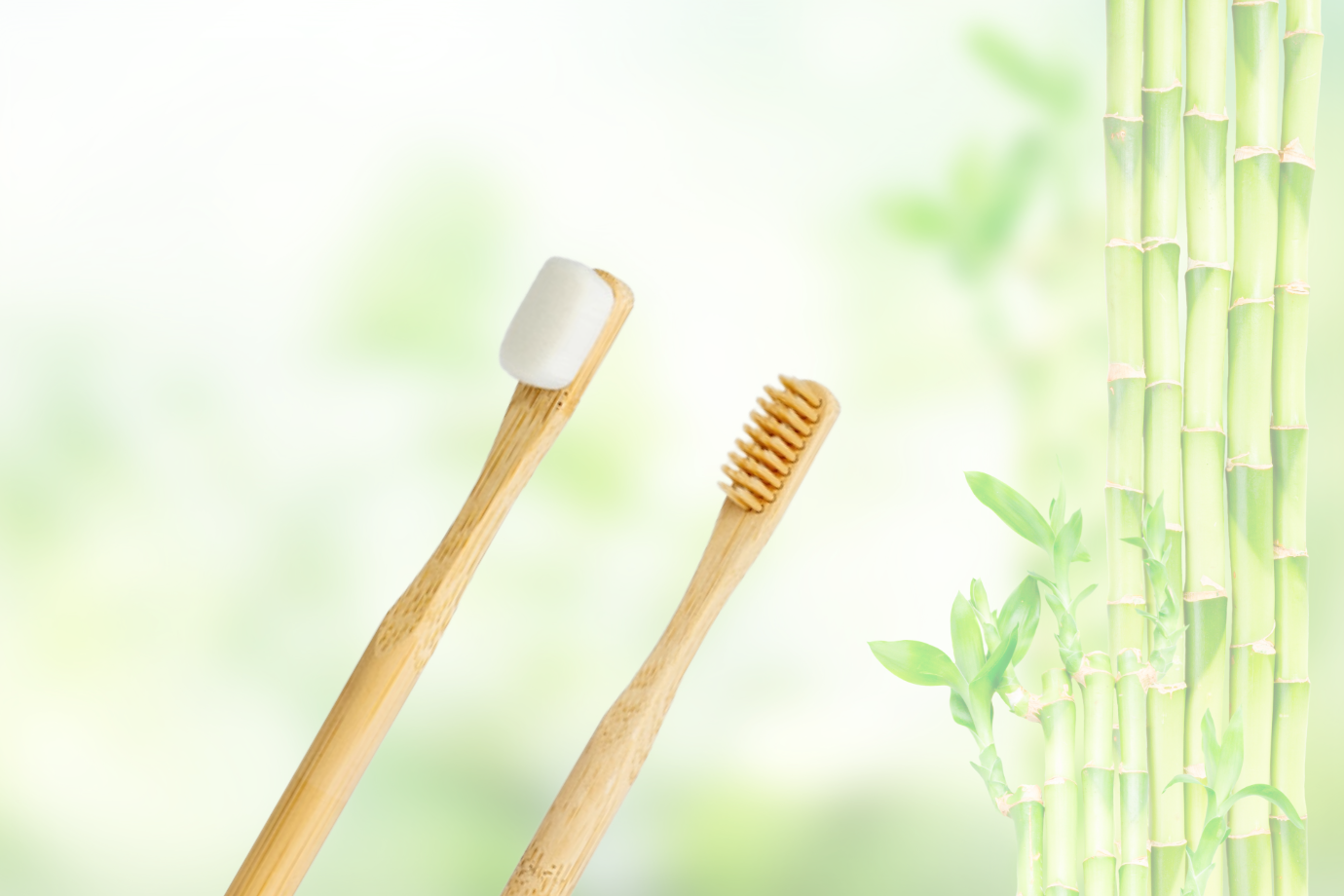
Standing in front of a wall of toothbrushes, the labels can feel oddly specific. Soft, extra soft, medium, and now “nano”. Which one is actually kinder to your gums, and which one cleans better? It is a fair question, and the answer depends less on marketing than on your teeth, your gums and the way you brush.
ROZE BioHealth was created by Dr. David Roze, a biological dentist with 13+ years of clinical practice in Dubai, and toothbrush choice is a conversation he has with patients almost daily. What follows is the practical reasoning he would share in the chair, in plain language.
What “soft” and “nano” bristles actually mean
Bristle firmness is largely determined by the diameter and length of each filament. A soft bristle is thicker than an extra soft one, but still flexible enough to bend at the gum line without scratching.
A nano bristle is a much finer filament, often tapered at the tip. Because it is so thin, it can reach slightly further into the shallow space between the gum and the tooth, and it flexes very easily. Nano brushes tend to feel gentler and slightly more delicate.
Neither type is “better” in an absolute sense. They are tools for different mouths.
A quick comparison
| Feature | Soft bristles | Nano bristles |
|---|---|---|
| Filament thickness | Standard fine | Ultra fine, often tapered |
| Feel on the gums | Gentle, with a little firmness | Very gentle, almost silky |
| Reach at the gum line | Good | Very good, slips into tighter spaces |
| Feedback while brushing | More noticeable | Softer, may feel less “cleaned” at first |
| Suits | Most healthy adults and teenagers | Sensitive gums, recession, post-procedure comfort |
Why hard and medium brushes are usually the wrong call
Many people assume that firmer bristles clean better. In practice, plaque is a soft film, and it lifts away with gentle, thorough contact. Pressing harder or using stiff bristles tends to do more harm than good.
Over time, aggressive brushing can contribute to gum recession and to wear at the neck of the tooth, where enamel is thinnest. Once gum tissue recedes, it does not grow back on its own, so prevention matters. That is why most dentists recommend a soft or softer brush for nearly everyone.
When a nano brush makes sense
You may prefer nano bristles if you recognise yourself in any of these situations:
- Your gums bleed or feel tender when you brush, and a dentist has ruled out anything needing treatment.
- You have visible gum recession, or roots that feel exposed.
- Your teeth are sensitive to cold air or drinks.
- You are recovering from a dental procedure or gum treatment.
- You are pregnant and notice that your gums are more reactive than usual.
- You tend to brush firmly out of habit and want a built-in safety margin.
When a standard soft brush is the better choice
If your gums are healthy and you brush with a light, steady hand, a soft brush usually gives a more reassuring clean. Its slightly sturdier filaments give useful feedback, and many people find it easier to reach the back molars.
A soft brush also tends to suit people with heavier plaque accumulation, or those who want a bit more contact across the chewing surfaces. If you switch to nano and feel your teeth are not as clean, try soft again, and let your hygienist check the result.
Technique matters more than bristle type
The best brush in the world cannot compensate for poor habits. Whichever you choose, these points make the biggest difference:
- Brush for two minutes, twice a day.
- Angle the bristles about 45 degrees towards the gum line.
- Use short, gentle circular or vibrating motions, not a hard scrub.
- Hold the brush like a pen, not a fist, to reduce pressure.
- Clean between the teeth daily with floss or interdental brushes.
- Replace the brush every three months, or sooner if the bristles splay.
Splayed bristles clean poorly and can irritate the gums, so a worn brush is a common and easily fixed problem.
Handle, head size and materials
A small to medium head reaches the back teeth more comfortably. A handle that feels balanced in your hand helps you keep a light grip. Many people are also moving towards bamboo handles as a lower-plastic choice. The ROZE Dental Kit pairs a toothpaste with a bamboo toothbrush in your choice of Nano or Soft, which is a simple way to compare the two for yourself.
Pairing your brush with the right toothpaste
A gentle brush works best with a gentle paste. Highly abrasive formulas can undo the care you have taken in choosing soft bristles. Sensitive mouths often do well with a hydroxyapatite toothpaste, because hydroxyapatite is the same mineral found in enamel and can help support the surface of the tooth and reduce the feeling of sensitivity. For anyone seeking a natural toothpaste with a low-abrasion, dentist-formulated approach, that pairing is worth a conversation with your dentist.
How to tell your brush is working
A good test is simple. After brushing, run your tongue across the teeth. They should feel smooth and clean, not furry or rough. Your gums should not feel sore afterwards, and they should not bleed regularly once any initial inflammation settles.
Some dentists also suggest disclosing tablets, which temporarily colour any remaining plaque so you can see where you are missing. Trying this once or twice is a quick way to learn whether your current brush and technique are doing the job.
If you are switching from a medium brush to a softer one, give it two or three weeks. The first few days can feel less vigorous, but that sensation is only a habit adjusting. Gum health often improves noticeably once the constant pressure has been removed.
Looking after the brush itself
Rinse the bristles thoroughly after each use and let the brush stand upright in open air, not inside a closed case, so it can dry. Keep brushes apart in a shared bathroom so the heads do not touch. After an illness, a fresh brush is a sensible choice.
Frequently asked questions
Are nano bristles better than soft bristles?
Not universally. Nano bristles are gentler and often suit sensitive gums, while soft bristles suit most healthy mouths well. The right choice is the one you can use consistently, comfortably and with light pressure.
Can a nano brush clean as well as a soft one?
Many people find that it does, provided they brush for the full two minutes and cover every surface. If your dentist notices plaque being missed, they may suggest changing brush or technique.
How do I know if I am brushing too hard?
Signs include splayed bristles within a few weeks, gum recession, sensitivity at the gum line and small notches near the neck of the teeth. If you notice these, lighten your grip and ask your dentist to watch your technique.
Is a manual or electric brush better?
Both can work well. Electric brushes with pressure sensors can help heavy-handed brushers, while a manual brush is perfectly effective with good technique.
Should children use nano bristles?
Children generally need a small-headed, soft brush. If your child has particularly tender gums, a paediatric dentist can advise whether a finer bristle is more comfortable.
The expert takeaway
Choose the gentlest brush that still leaves your mouth feeling properly clean. For most people, that means soft. For sensitive, receding or recovering gums, nano is an excellent option. Whichever you pick, brush lightly, replace it regularly, and let your dentist check the outcome at your next visit. If you would like to try both side by side, ROZE’s range offers a simple way to begin.