

When you first notice your gums have changed
Perhaps you noticed it while flossing: a strip of tooth near the gumline that looks slightly longer than it used to, maybe a shade different from the rest of the tooth. Or perhaps it announced itself more sharply, as a jolt of sensitivity when cold water hit a spot that never used to react. Receding gums are one of the most common concerns patients raise, and one of the most misunderstood.
Dr. David Roze, a biological dentist with more than 13 years treating patients in Dubai, sees this concern regularly, and one of the first things he explains is that gum recession is rarely caused by a single event. It tends to be the accumulation of small habits and biological factors over years, which is also why small, consistent changes can meaningfully slow or manage it.
What gum recession actually is
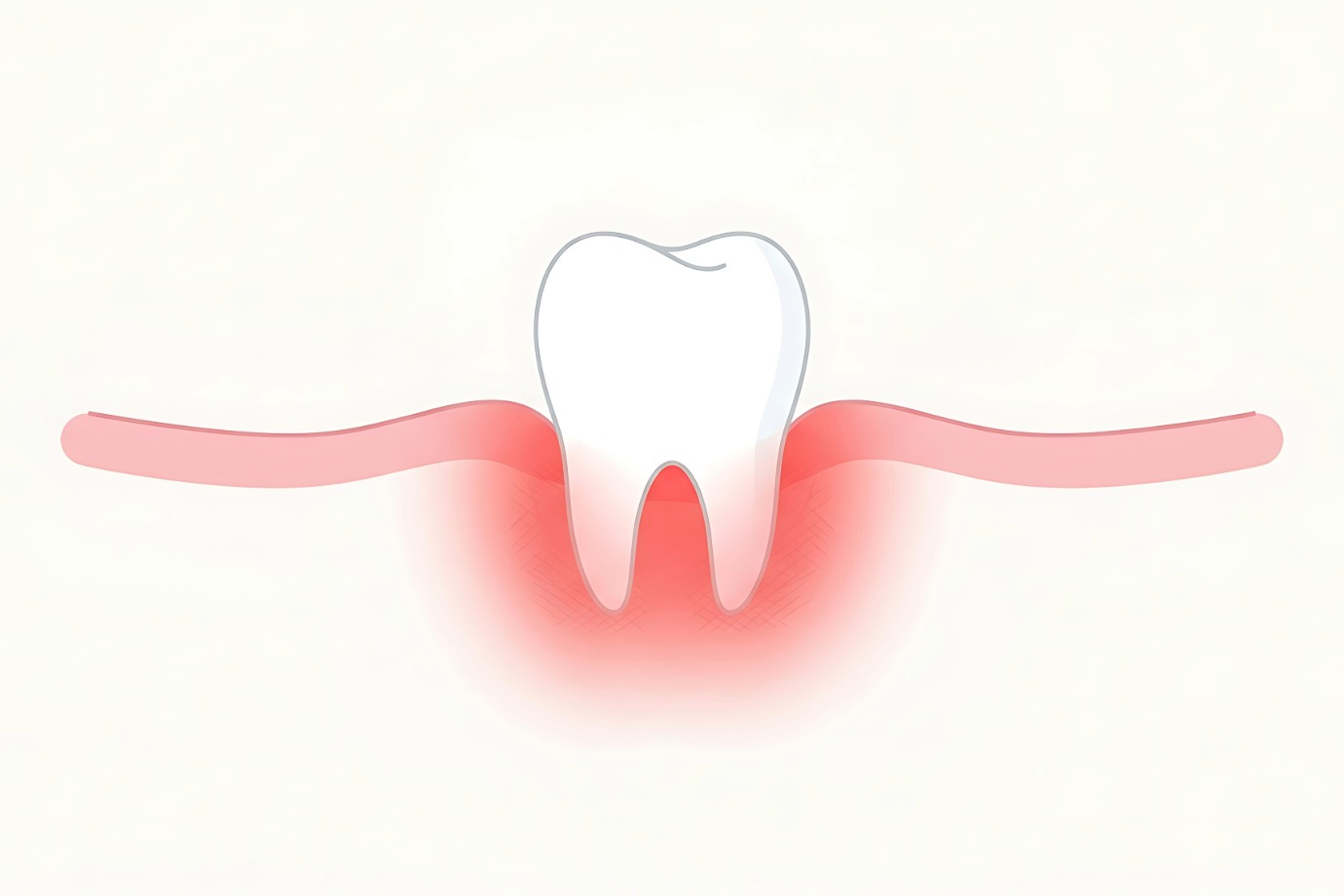
Gum recession happens when the gum tissue surrounding a tooth pulls back, exposing more of the tooth’s root surface than nature intended to be visible. Unlike enamel, the root surface is covered by a softer, more porous tissue called cementum, which does not offer the same protection. This is exactly why receding gums so often come with sensitivity: the exposed root has direct pathways, called dentinal tubules, that lead straight to the nerve of the tooth.
Gum tissue does not grow back on its own once it has receded. This makes prevention and early management considerably more valuable than trying to reverse damage after the fact.
The common causes, and which ones you can influence
- Brushing too hard. A firm-bristled brush combined with heavy pressure is one of the most frequent, and most avoidable, causes of recession over time.
- Gum disease. Bacterial buildup along the gumline can inflame and gradually break down the tissue and bone that support the gums.
- Genetics. Some people are simply born with thinner gum tissue or teeth positioned slightly outside the natural arch, both of which make recession more likely.
- Grinding or clenching. Excess force on teeth can contribute to gum tissue pulling away over time.
- Hormonal changes. Pregnancy, menopause, and other hormonal shifts can affect gum tissue sensitivity and resilience.
- Tobacco use. Smoking and other tobacco products are strongly associated with gum tissue breakdown.
- Piercings and misaligned bites. Lip or tongue piercings, and bite patterns that put uneven pressure on certain teeth, can also play a role.
Of this list, brushing technique is usually the easiest place to start, and often the most immediately actionable.
Brushing technique: gentler than you think
Many people brush harder assuming it cleans better, but gum tissue does not respond well to force. A soft-bristled brush, light pressure, and small circular motions along the gumline protect both enamel and gum tissue far more effectively than scrubbing. If you tend to press hard out of habit, try holding your toothbrush the way you would hold a pen, rather than gripping it in your fist. This alone tends to soften pressure considerably.
What the science says helps once sensitivity sets in
Once the root surface is exposed, the priority shifts from prevention to comfort and protection. This is where dentinal tubules become the central focus. These microscopic channels run from the root surface to the nerve, and when they are left open, ordinary triggers such as cold air, cold drinks, or even brushing can cause a sharp, momentary jolt.
Hydroxyapatite, the mineral that makes up roughly 97% of natural enamel, has an ability that is particularly relevant here: it can help occlude, or physically block, these open dentinal tubules. Because it is the same mineral the tooth is already made from, it integrates with the tooth surface rather than simply sitting on top of it. This is a meaningful part of why ROZE BioHealth formulates its toothpaste with 15% micro-hydroxyapatite, a clinical-grade concentration intended to support exactly this kind of sensitivity relief for exposed root surfaces.
Hydroxyapatite versus fluoride for sensitive, exposed roots
Fluoride toothpaste has traditionally been recommended for sensitivity, and it can offer some relief by forming a surface layer over exposed dentin. But for roots that are already exposed and vulnerable, many people find a mineral that rebuilds and integrates with the tooth, rather than one that coats it, a more intuitive fit for long-term comfort.
| Consideration | Fluoride | Hydroxyapatite |
|---|---|---|
| How it works | Forms a surface layer on the tooth | Integrates with and helps rebuild the tooth’s own mineral structure |
| Relationship to enamel | Synthetic additive applied to the surface | The same mineral that makes up roughly 97% of natural enamel |
| Swallowed trace | A trace is ingested with every brush | Food-grade, and considered safe if swallowed |
| Suitability for exposed roots | Can offer surface-level relief | Widely used to help occlude open dentinal tubules from within |
Caring for gums day to day
- Floss gently once a day, sliding rather than snapping the floss against the gum.
- Avoid whitening treatments or abrasive scrubs directly on exposed root surfaces, as these areas are more delicate than enamel.
- Consider an alcohol-free, gentle mouth rinse rather than a harsh, high-alcohol formula, which can dry and irritate already sensitive gum tissue.
- See a dentist or periodontist if recession is progressing, if you notice bleeding, or if sensitivity is affecting your daily comfort. Recession itself does not reverse without professional intervention such as a gum graft in more advanced cases.
Many patients pair these habits with ROZE’s Natural Fresh Mint Toothpaste, formulated to be gentle enough for daily use on sensitive areas while still delivering a clinical concentration of hydroxyapatite.
Frequently asked questions
Can receding gums grow back?
Gum tissue does not regenerate on its own once it has receded. In more advanced cases, a dentist or periodontist may recommend a gum graft, but day-to-day care focuses on preventing further recession and easing sensitivity.
Does hydroxyapatite toothpaste help with tooth sensitivity from gum recession?
Many people find that hydroxyapatite helps by occluding exposed dentinal tubules on the root surface, which can reduce the sharpness of triggers like cold or brushing. Individual results vary, and persistent or severe sensitivity is worth discussing with a dentist.
Is a soft-bristled toothbrush really necessary?
Yes, for most people. A soft brush combined with gentle, circular strokes is significantly less likely to contribute to gum recession than a medium or hard brush used with pressure.
Can stress or grinding cause gum recession?
Clenching and grinding place excess force on teeth and surrounding tissue, and over time this can contribute to recession, particularly when combined with other risk factors.
Should I switch to a fluoride-free toothpaste if I have sensitive, receding gums?
This is a personal decision best made with your dentist, though many people with sensitivity find that a hydroxyapatite-based, fluoride-free formula feels gentler and more supportive of the exposed root surface.
The takeaway
Receding gums are common, gradual, and rarely the result of one single cause, which means the response should be equally patient and consistent. Gentle brushing technique, attentive daily care, and a toothpaste that genuinely supports exposed, sensitive areas can make a meaningful difference in day-to-day comfort. For anything beyond home care, a dentist remains the right first call, particularly if recession seems to be progressing. For those exploring a gentler, fluoride-free option built around a clinical concentration of hydroxyapatite, ROZE BioHealth’s range is worth a look.