

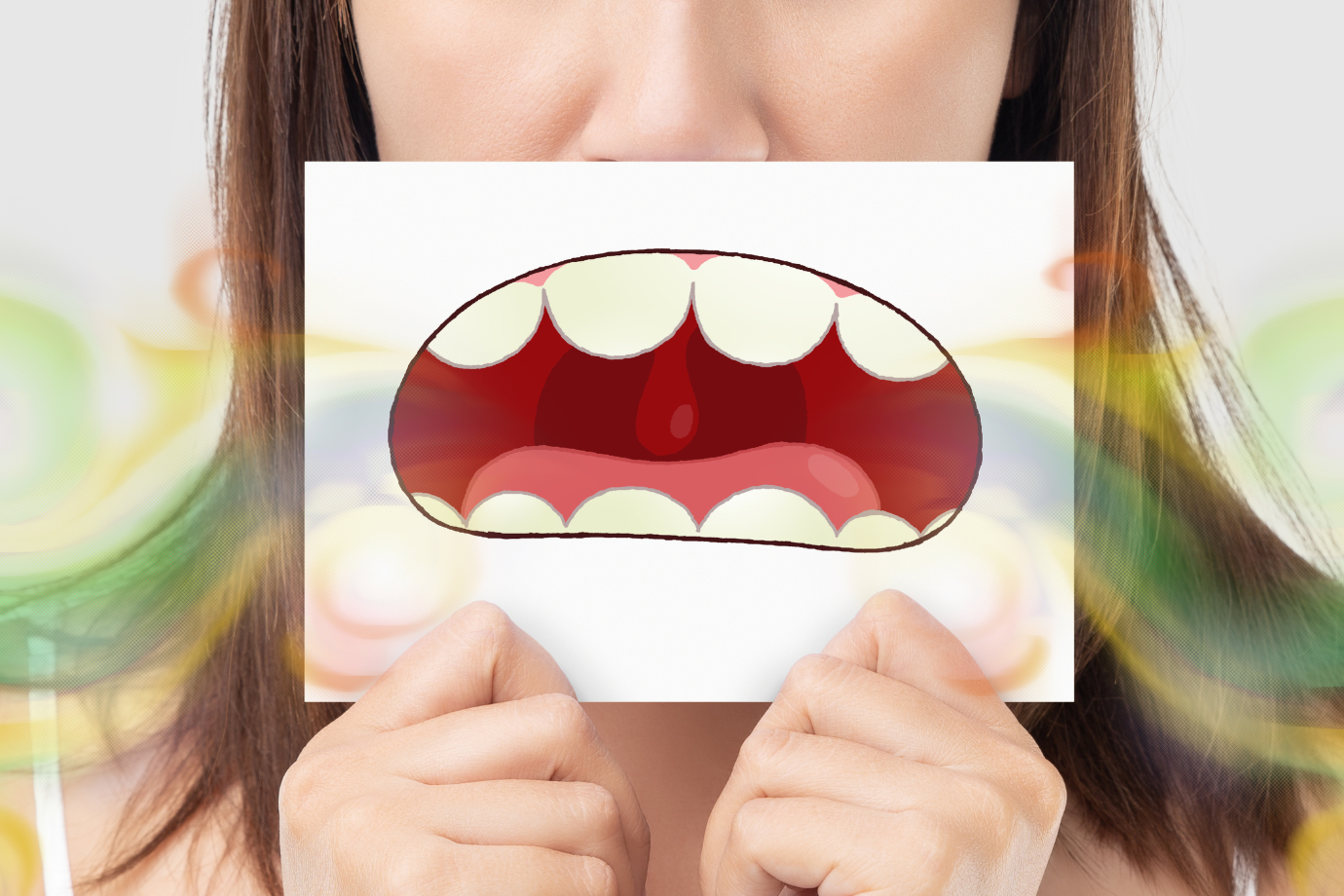
When your mouth feels dry, your teeth are working without their best defence
Waking up with a mouth that feels like cotton wool, or reaching for water every few minutes through the day, is often dismissed as a minor nuisance. It usually is not. Saliva does far more than keep your mouth comfortable, and when it runs low, the effects on your teeth can be significant: more cavities, a stubborn bad breath that mouthwash cannot mask for long, and a sharp new sensitivity to hot, cold or sweet foods. Dry mouth, known clinically as xerostomia, is one of the most overlooked causes of dental problems, quietly present in the background of many patients who cannot understand why their oral health has changed.
ROZE BioHealth was founded by Dr. David Roze, a biological dentist with over 13 years of clinical practice in Dubai, who has seen this pattern repeatedly in his own patients: people doing everything seemingly right, brushing twice a day and avoiding sugar, yet still developing decay in places that used to be resilient. Dry mouth is very often the missing piece.
Why saliva matters more than most people realise
Saliva is not simply moisture. It is a finely balanced fluid that rinses away food particles, buffers the acids produced by bacteria, and carries minerals like calcium and phosphate that continually repair, or remineralise, the enamel surface. A healthy flow of saliva is, in effect, a built-in maintenance system working every hour of the day, largely unnoticed until it slows down.
When saliva production drops, that maintenance system falls behind. Acid from food, drink and bacterial activity lingers longer on the tooth surface. Food debris is not cleared as efficiently. The natural remineralising process that would normally repair the earliest, invisible stages of decay becomes weaker, allowing small weaknesses in the enamel to progress into actual cavities.
The three symptoms that tend to arrive together
Patients rarely describe dry mouth in isolation. It tends to show up as a cluster of related complaints:
- New or increased cavities, particularly along the gumline or between teeth, in someone who has not changed their diet or brushing habits.
- Bad breath that persists despite brushing, flossing and mouthwash, because saliva is no longer washing away the bacteria that produce odour.
- Sensitivity to temperature or sweetness, as thinning saliva coverage leaves the enamel and exposed root surfaces less protected.
What causes dry mouth in the first place
Dry mouth is rarely random. Common contributors include certain medications (antihistamines, antidepressants and blood pressure treatments are frequent culprits), breathing through the mouth during sleep, dehydration, ageing, and underlying conditions that affect the salivary glands. Stress and caffeine intake can also reduce flow temporarily. For many people it is a side effect of something else entirely, which is exactly why it goes unaddressed for so long: the dental symptoms appear, but the actual cause is sitting in a medicine cabinet or a sleep pattern rather than anything happening in the mouth itself.
Recognising this is often the first genuinely useful step. A conversation with a dentist or physician about medication timing, hydration habits or sleep position can do more for long-term oral health than any product bought off a shelf.
What actually helps: practical steps beyond drinking more water
Water helps, but it is a temporary rinse rather than a long-term fix, since it does not replace the minerals and buffering capacity of real saliva. A more complete approach usually combines a few habits:
- Sipping water steadily through the day rather than in large, infrequent gulps.
- Chewing sugar-free gum to stimulate natural saliva flow, particularly after meals.
- Using a humidifier overnight if mouth breathing during sleep is a factor.
- Reducing caffeine and alcohol in the evening, both of which are mildly dehydrating.
- Choosing an oral care routine that supports remineralisation rather than working against it.
That last point matters more than it might seem. With less saliva doing the remineralising work, the toothpaste used twice a day becomes a more important part of the equation than it would be for someone with normal saliva flow. This is where a Natural Fresh Mint Toothpaste formulated around hydroxyapatite becomes genuinely relevant rather than incidental. Hydroxyapatite is the mineral that already makes up the majority of natural tooth enamel, and a micro-hydroxyapatite, remineralizing toothpaste works by helping to replace the surface minerals that saliva would ordinarily be resupplying. For someone with a dry mouth, that supporting role is doing extra work each day.
Sensitivity fits the same logic. When enamel thins and the microscopic channels within it, called dentinal tubules, are left more exposed, hot, cold and sweet stimuli reach the nerve more easily. A sensitive toothpaste built around hydroxyapatite is widely used to help occlude those open tubules and gently rebuild the surface from within, rather than simply coating it. Fluoride, by contrast, works mainly as a surface treatment sitting on top of the tooth. For anyone managing dry-mouth sensitivity, a mineral that reintegrates into the enamel itself, rather than one that lies over it, is generally the more considered choice, and it comes with the added benefit of nothing synthetic being swallowed along with it.
When to see a dentist
Persistent dry mouth, especially alongside new cavities or ongoing bad breath, is worth raising with a dentist rather than managing alone. It can point to a medication interaction, an underlying condition or simply a habit worth adjusting, and a professional assessment is the only reliable way to know which. Home care can support the mouth in the meantime, but it is not a substitute for identifying the cause.
Frequently asked questions
Can dry mouth cause cavities even with excellent brushing habits?
Yes. Brushing removes plaque, but it does not replace the acid-buffering and mineral-carrying role of saliva. Someone with reduced saliva flow can develop cavities faster than their brushing routine would suggest, particularly along the gumline.
Is dry mouth always a sign of a medical condition?
Not necessarily. It is often linked to medication, mouth breathing or dehydration, but persistent or severe dry mouth is worth mentioning to a doctor or dentist, since it can occasionally point to an underlying condition affecting the salivary glands.
Does a fluoride-free toothpaste work well for someone with dry mouth?
Many people with dry mouth find a fluoride-free, hydroxyapatite toothpaste comfortable and effective, since it supports remineralisation directly rather than relying on the saliva-dependent processes that fluoride also depends on to some extent. It is a gentle, food-grade option that does not add another synthetic ingredient to an already sensitive mouth.
How quickly can sensitivity from dry mouth improve?
This varies from person to person, but many people notice a gradual reduction in sensitivity over several weeks of consistent care, alongside addressing the underlying cause of the dryness itself.
Can children experience dry mouth too?
Yes, particularly with certain medications, allergies causing mouth breathing, or dehydration. The same principles apply: address the cause where possible, and support the teeth with a gentle, remineralising routine in the meantime.
The takeaway
Dry mouth is easy to underestimate because it rarely announces itself as a dental problem. It presents instead as bad breath, unexpected cavities or a new sensitivity that seems to come from nowhere. Understanding the role saliva plays, and adjusting both the underlying cause and the daily oral care routine, is a far more effective response than treating each symptom separately. For those looking to support a drier mouth with a gentle, dentist-formulated option, ROZE’s fluoride-free range, including the Dental Kit, offers one considered place to start.