

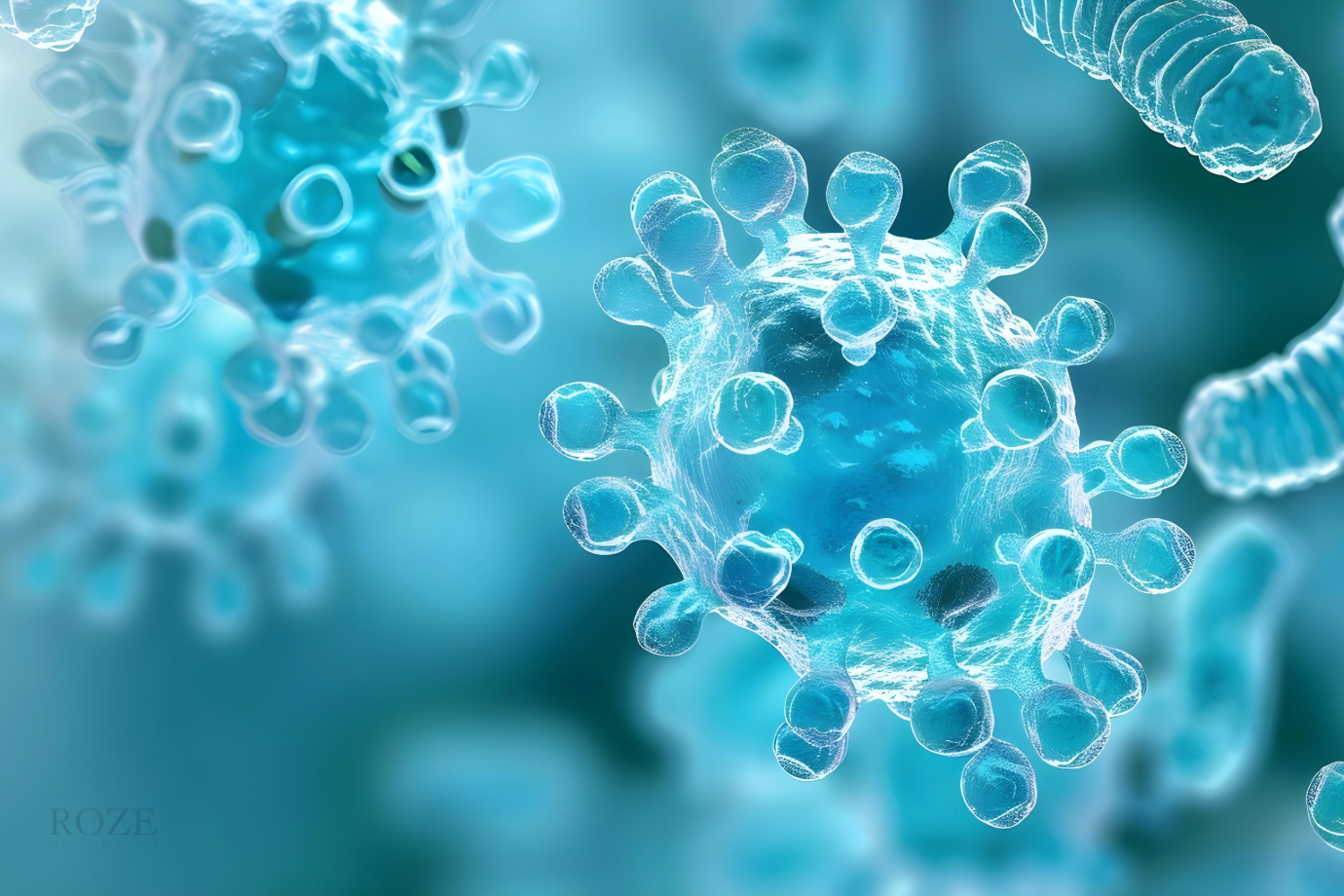
The mouth is an ecosystem, not just a set of teeth
It is easy to think of the mouth as a fixed, mechanical thing, teeth that need cleaning, gums that need care. In reality, your mouth hosts one of the densest and most diverse microbial communities in the entire body, home to hundreds of species of bacteria living in a delicate, largely beneficial balance. This community, the oral microbiome, plays a genuine role in digestion, in keeping harmful bacteria in check, and increasingly, in research connecting oral health to broader wellbeing. Most people have never been told this balance can be disrupted by the very products meant to protect it.
Dr. David Roze, a biological dentist with over 13 years of clinical practice in Dubai, has spent much of his career watching patients unknowingly work against their own oral microbiome, often through habits that seem responsible on the surface: brushing aggressively, rinsing with strong antibacterial mouthwash daily, or using toothpaste formulated to foam and strip rather than to gently clean. His frustration with this gap in patient education became part of the motivation behind founding ROZE BioHealth.
What the oral microbiome actually does
A healthy oral microbiome is not simply “less bacteria is better.” Many of the bacterial species naturally present in a healthy mouth help crowd out the harmful strains most associated with cavities and gum disease, in much the same way a balanced gut microbiome helps regulate digestion. Some oral bacteria are even understood to play a role in converting compounds from food into forms the body can use elsewhere, including pathways connected to cardiovascular health. Wiping out this ecosystem indiscriminately, rather than managing it thoughtfully, can remove protective bacteria along with harmful ones, leaving an opening for the more aggressive, cavity-causing strains to take over.
This is a genuinely different way of thinking about oral care than most people grew up with. The goal is not maximum bacterial destruction. It is balance.
Everyday habits that quietly disrupt the balance
Several very common oral care habits work against the microbiome without most people realising it.
Harsh foaming agents
Sodium lauryl sulfate (SLS), the ingredient responsible for the thick foam in most conventional toothpaste, is a detergent. It cleans effectively but can also strip the mouth’s protective mucosal layer and disturb the surface where beneficial bacteria live, which is one reason some people experience mouth irritation or canker sores more frequently with SLS-based products.
Alcohol-based mouthwash used daily
A strong antibacterial rinse used every day, rather than occasionally as directed, can indiscriminately reduce bacterial populations, including the beneficial ones, and may also dry out oral tissue, which itself supports a healthier microbial environment when properly hydrated.
An acidic oral environment
A mouth that sits at a low, acidic pH for extended periods, whether from diet, certain toothpaste formulations, or frequent snacking, tends to favour the acid-loving bacteria most associated with enamel erosion and cavities, at the expense of more balanced, protective strains.
Over-brushing
Brushing too hard, too often, or with an overly abrasive toothpaste can damage the gum line and soft tissue, disturbing the biofilm in ways that go beyond simply removing plaque.
What actually supports a healthy oral microbiome
| Habit | Effect on the microbiome |
|---|---|
| SLS-based, high-foam toothpaste | Can strip protective tissue and disturb bacterial balance |
| Alkaline, gentle-clean toothpaste | Supports a pH environment less favourable to acid-loving, harmful bacteria |
| Daily strong antibacterial mouthwash | Can indiscriminately reduce beneficial bacteria alongside harmful strains |
| Consistent, gentle brushing technique | Removes plaque without damaging the biofilm or gum tissue |
Why pH balance matters more than most people realise
The mouth’s natural pH shifts constantly throughout the day, dipping after meals and gradually returning to a more neutral or slightly alkaline baseline between them. Products that are themselves highly acidic, or that strip away the mouth’s natural buffering capacity, can keep the environment tilted towards the acidic end for longer than it would sit naturally. This matters because the bacteria most associated with tooth decay thrive specifically in acidic conditions. A toothpaste formulated with a balanced, alkaline pH, rather than one relying on strong detergents and abrasives, can support a mouth that spends less time in that vulnerable acidic state.
This is part of the thinking behind hydroxyapatite toothpaste formulas, which tend to be built around gentle cleaning rather than aggressive foaming, and which typically maintain a more alkaline pH throughout use. Rather than treating the mouth as something to sanitise, the approach treats it as an ecosystem to be kept in balance.
The mouth-body connection is not a stretch
Researchers studying the gut microbiome have made oral bacteria feel like a natural extension of the same conversation, and for good reason. The mouth is the entry point to the digestive system, and the bacterial community there does not stay neatly contained. Swallowed saliva carries oral bacteria into the gut continuously, and an oral microbiome that has tipped towards harmful, acid-loving strains can influence the bacterial population further along the digestive tract. This is not a reason to panic about every rinse or brushing habit, but it is a reason to think of oral care as part of a wider picture of wellbeing rather than an isolated, cosmetic routine.
For parents, this reframing can be genuinely useful. A child who resists brushing is not just risking a future cavity, they are also missing an early opportunity to establish a bacterial balance that may influence comfort and health well beyond the mouth. Framing oral care around nurturing a healthy ecosystem, rather than fighting germs, tends to be a gentler and more sustainable message for a family to build a habit around.
Practical steps for a healthier oral microbiome
- Choose a toothpaste without SLS, and consider one with a balanced, alkaline pH rather than a highly acidic or heavily foaming formula.
- Reserve strong antibacterial mouthwash for the situations your dentist actually recommends it, rather than using it as a daily default.
- Brush gently with a soft-bristled brush for a full two minutes, focusing on technique rather than pressure.
- Stay hydrated, since saliva itself plays a significant role in maintaining a healthy oral bacterial balance.
- Limit frequent snacking on sugary or highly acidic foods, which repeatedly pushes the mouth towards an acidic, harmful-bacteria-friendly state.
Frequently asked questions
Should I stop using mouthwash entirely?
Not necessarily. The concern is largely with daily use of strong antibacterial rinses as a habitual default rather than as directed by a dentist for a specific reason. Many people do not need a strong antibacterial mouthwash at all as part of a normal routine.
Can a toothpaste actually support the microbiome, or does that overstate what toothpaste can do?
Toothpaste cannot cultivate a healthy microbiome on its own, but a gentle, balanced formula can avoid actively working against it, which is a meaningful difference from a harsh, stripping formula used twice a day for years.
Is hydroxyapatite natural?
Yes. It is the mineral that naturally makes up the majority of tooth enamel, and the micro-hydroxyapatite used in remineralising toothpaste is manufactured to be food-grade and biocompatible.
Does over-brushing really cause damage?
Brushing with excessive pressure or an overly abrasive product can wear down enamel and irritate gum tissue over time. Gentle, consistent technique for the full recommended time is generally more effective than forceful, hurried brushing.
The takeaway
The oral microbiome rarely gets the attention it deserves, largely because it is invisible and its disruption tends to happen gradually rather than all at once. Understanding it changes the goal of oral care, away from maximum bacterial destruction and towards genuine balance. For those looking to simplify their routine around that principle, ROZE BioHealth’s Natural Vanilla Toothpaste was formulated with an alkaline, SLS-free approach in mind, though the most valuable change most people can make starts with simply choosing gentler products and using mouthwash more deliberately.