

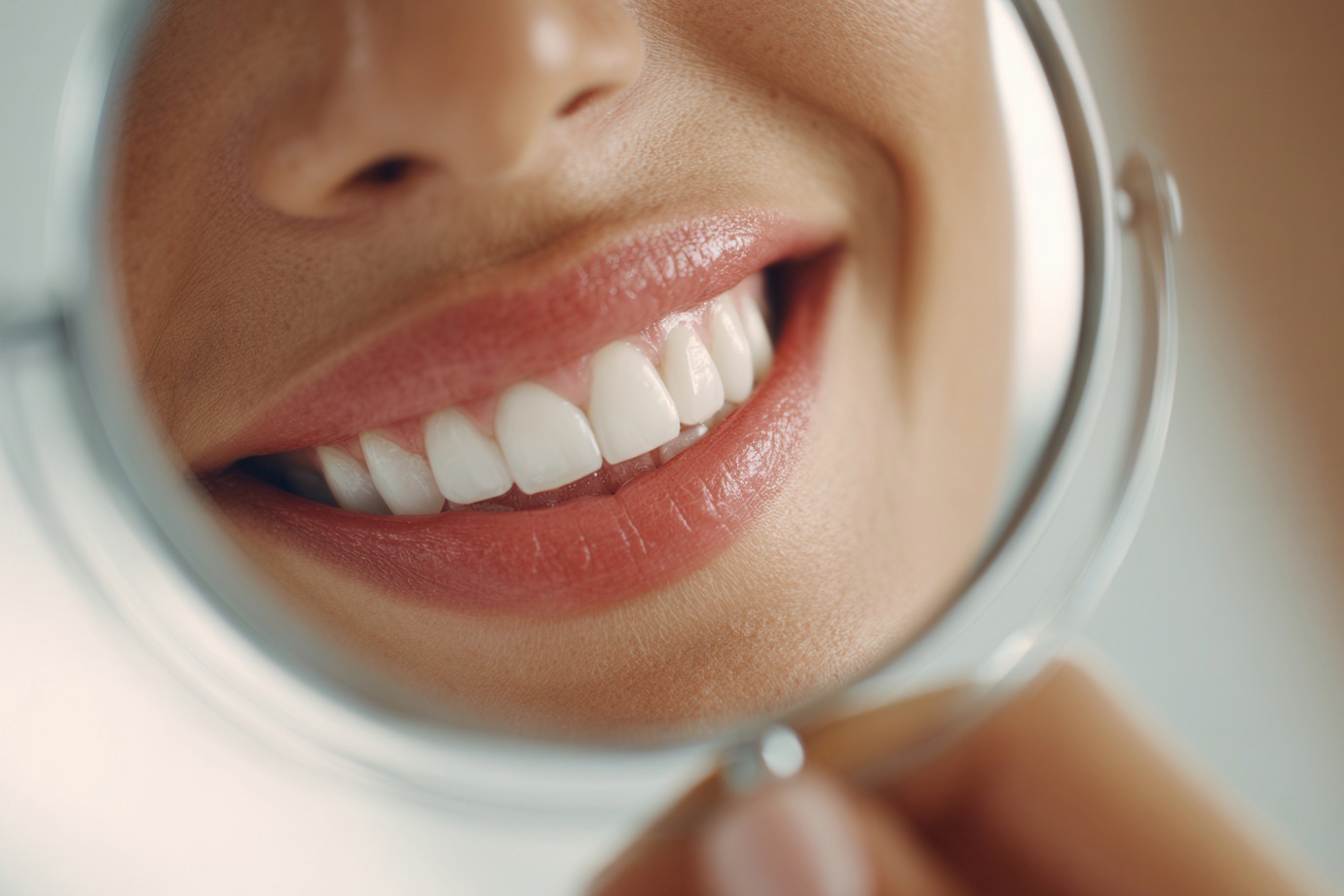
A patient sits in the chair and asks, quite reasonably, whether the enamel worn thin from years of coffee, citrus and enthusiastic brushing can ever come back. It is one of the most common questions in a dental practice, and the honest answer is more nuanced than the marketing on a toothpaste box usually allows.
Dr. David Roze, a biological dentist who has practised in Dubai for more than thirteen years, hears a version of this question most weeks. His answer, distilled from years of clinical observation, is the foundation of this article: enamel cannot regenerate the way skin or bone does, because it contains no living cells once a tooth has erupted. But that is not the end of the story. The mineral structure of enamel can, under the right conditions, be repaired and strengthened at a microscopic level. Understanding the difference between regrowing and remineralising is the key to understanding what is actually possible, and what a Remineralizing Toothpaste can realistically do for you.
Why enamel loss worries so many people
Enamel is the hardest substance in the human body, yet it is also under constant chemical attack. Acidic drinks, certain fruits, reflux, dry mouth and abrasive brushing habits all soften or wear down the outer layer of the tooth over time. Once enamel visibly thins, teeth often become more sensitive to hot, cold or sweet foods, and the yellower dentine underneath can start to show through, changing the appearance of a smile.
It is a slow, cumulative process, which is part of why it worries people so much. There is rarely a single dramatic event, just years of small chemical erosions that eventually add up. Naturally, the question that follows is whether any of that damage can be undone.
What rebuilding enamel actually means
Enamel is roughly 97 percent mineral, made up primarily of a crystal called hydroxyapatite arranged in tightly packed rods. Because enamel has no blood supply and no living cells after the tooth has fully formed, it cannot repair itself biologically the way a cut on the skin heals. This is the part of the science that is often glossed over: no toothpaste, however well formulated, can regenerate a large area of enamel that has completely worn away.
What can happen, and what a great deal of understanding built up over recent decades supports, is remineralisation. When the mouth is exposed to the right minerals in the right form, those minerals can be drawn into microscopic areas of weakened or partially demineralised enamel, reinforcing the existing crystal lattice and making the surface harder and less porous. This does not restore enamel that is structurally gone, but it can meaningfully strengthen enamel that is thin, softened or in the early stages of erosion, and it can noticeably reduce the sensitivity that comes with it.
Where hydroxyapatite fits in
Because hydroxyapatite is the mineral enamel is already made of, it is considered a biomimetic ingredient, meaning it works with the tooth’s own chemistry rather than coating it with something foreign. In Japan, hydroxyapatite has been used in oral care for more than forty years, and it is this long track record that has drawn attention from biological dentists in other parts of the world, including Dr. Roze himself.
Products such as ROZE’s Natural Fresh Mint Toothpaste use a micro-hydroxyapatite formula at a clinical concentration, designed to sit in close contact with the tooth surface for longer and support this remineralising process. The idea is not to promise a full rebuild of severely eroded enamel, but to give the tooth surface the raw material it needs to reinforce itself gradually, brush by brush.
Hydroxyapatite compared with fluoride
Fluoride is a synthetic additive that hardens a thin layer on the outside of the enamel. Hydroxyapatite isn’t an additive at all, it’s the same mineral your enamel is already built from, so instead of coating the tooth, it rebuilds the enamel’s own crystal structure from within. One sits on the surface. The other becomes part of the tooth.
| Consideration | Hydroxyapatite | Fluoride |
|---|---|---|
| What it is | The natural mineral your enamel is made of | A synthetic additive |
| How it works | Rebuilds the enamel structure from within | Forms a hardened layer on the surface |
| If swallowed | Food-grade and considered safe in the trace amounts used | Not meant to be swallowed — which is why children’s brushing needs supervision |
| Sensitivity relief | Occludes exposed dentinal tubules directly | Offers surface-level relief by a different mechanism |
Neither ingredient is unsafe when used as directed. But for a reader actually choosing between them, one question cuts through it: if a food-grade mineral that already makes up your enamel can do the job, why default to a synthetic one you’re told not to swallow? That’s the reasoning behind formulating ROZE fluoride-free from the outset along with removing the SLS, parabens and artificial colours that usually ride along in conventional formulas.
What actually helps, in practice
Rebuilding what enamel strength you can is rarely about one single change. A few habits make a genuine difference over time.
- Limit how often, not just how much, you expose teeth to acidic drinks and foods, since frequency matters more than quantity.
- Wait around thirty minutes after eating or drinking something acidic before brushing, since enamel is temporarily softened and more vulnerable to abrasion straight after.
- Use a Remineralizing Toothpaste with a meaningful concentration of hydroxyapatite, applied consistently rather than occasionally.
- Keep saliva flow healthy through hydration, since saliva is the mouth’s own natural remineralising fluid.
- See a dentist for a professional assessment if sensitivity is new, sudden or worsening, since it can have several different causes.
Frequently asked questions
Can enamel really grow back once it is gone?
Enamel that has been completely worn away in a specific spot cannot regrow, because there are no living enamel-forming cells left in an erupted tooth. What can improve is the strength and mineral density of enamel that is thin or softened but still present.
How long does it take to notice a difference?
Many people report reduced sensitivity within a few weeks of consistent use of a remineralising toothpaste, though this varies from person to person and depends on the severity of the underlying erosion.
Is hydroxyapatite natural?
Yes. It is the same mineral that makes up the majority of natural tooth enamel and bone, which is why it is often described as biomimetic rather than synthetic.
Can hydroxyapatite toothpaste replace fluoride toothpaste entirely?
For most people, yes. A well-formulated hydroxyapatite toothpaste gives you the same remineralising and anti-sensitivity benefits without the synthetic additive, which is why biological dentists like Dr. Roze recommend it as a complete everyday replacement, not a compromise, for most adults and children. If you have a specific high-risk dental condition, it’s worth confirming your individual needs with your dentist.
Is this kind of toothpaste safe for children?
Because hydroxyapatite is food-grade and does not carry the swallowing concerns associated with fluoride, it is widely considered suitable for children, though a dentist should always be consulted for a child’s specific needs.
The honest takeaway
Enamel will not regrow like a broken bone, and any brand promising otherwise is overstating the science. What is genuinely possible, and well supported by decades of use in Japanese dentistry, is meaningful remineralisation of enamel that is thin, softened or newly sensitive. For those wanting to give that process the best possible support, a dentist-formulated option such as ROZE’s range is one sensible place to start, alongside the daily habits that protect enamel in the first place.