

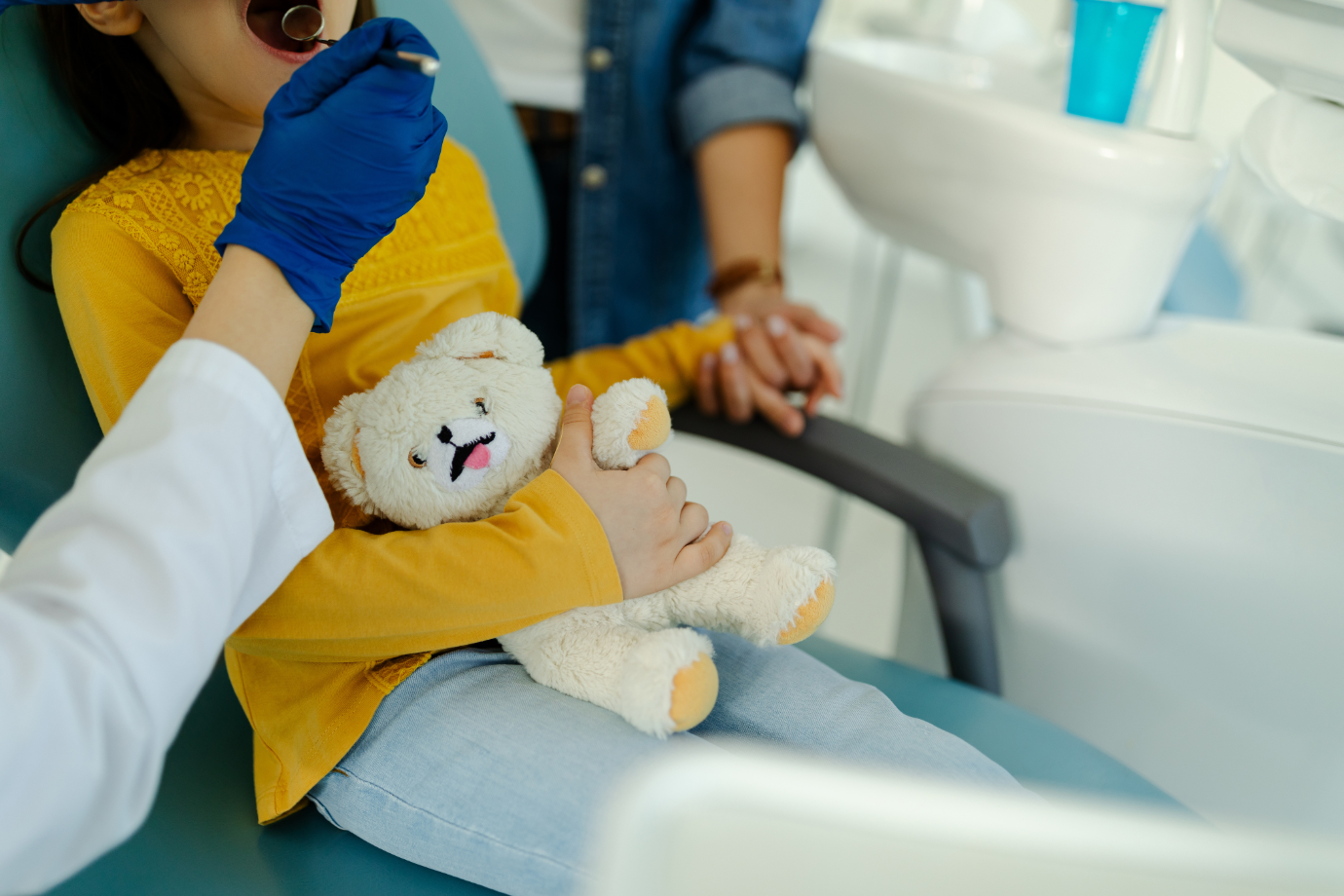
Many parents wait until a child has a full set of teeth, a complaint of toothache or a school reminder before booking a first dental visit. It feels logical: why see a dentist when there is little to see? Yet most paediatric dental guidance points the other way. As Dr. David Roze, a biological dentist with 13+ years of clinical practice in Dubai and the founder of ROZE BioHealth, often tells parents, the first visit is less about treatment and more about building a foundation. This guide answers the question directly, explains what happens at a first appointment and offers practical ways to protect little teeth from the beginning.
The short answer: by the first birthday, or when the first tooth appears
The widely accepted recommendation is to schedule a first dental visit when the first tooth emerges, and no later than a child’s first birthday. This is usually around six months to a year, although every child develops at their own pace. In the UAE, many family and paediatric dental clinics welcome babies for exactly this kind of early introduction.
That can sound premature, particularly when a baby has one or two tiny teeth. But the purpose is not to find problems. It is to establish a relationship, check that development is on track, and equip parents with advice that is specific to their child before habits set in.
What actually happens at a first visit
Parents are often relieved to learn how gentle it is. A first appointment is usually brief and relaxed, and a baby will often sit on a parent’s lap throughout.
- A gentle look. The dentist checks emerging teeth, gums, tongue and the way the jaws are developing.
- A conversation. You will likely be asked about feeding, dummy or thumb habits, teething and sleep patterns.
- Practical guidance. This may cover how to clean a baby’s mouth, how much toothpaste to use and when to start flossing.
- A plan. Many dentists suggest check-ups every six months, though some children benefit from a different schedule.
A positive early visit also teaches a child that the dental chair is an ordinary, even interesting place. Children who first meet a dentist because something hurts are more likely to associate it with fear.
Why early matters: baby teeth are not disposable
There is a persistent belief that baby teeth do not matter because they fall out. In reality they do important work. They help children chew, speak clearly and hold space for the permanent teeth growing beneath them. Decay in baby teeth can cause pain, interfere with eating and sleep, and sometimes affect how adult teeth erupt.
Early childhood decay is also more common than many parents expect, and it can progress faster in young teeth because their enamel is thinner than adult enamel. Catching early signs, or better still preventing them, is far simpler than treating established problems.
Common early habits worth discussing
- Bottle feeding at bedtime. Milk or juice pooling around teeth overnight can contribute to decay. Water is the safest option in bed.
- Frequent sugary snacks and drinks. It is the frequency of exposure, more than the quantity, that matters most for teeth.
- Prolonged dummy or thumb use. These are normal in infancy but may influence tooth position if they continue well beyond the toddler years.
- Sharing spoons and cleaning dummies with saliva. Bacteria can pass from adult to child this way, so a quick rinse under the tap is kinder.
Caring for teeth at home, stage by stage
Before the first tooth
Wipe your baby’s gums gently with a clean, damp piece of gauze or a soft cloth after feeds. It keeps the mouth fresh and introduces the idea of cleaning as part of the day.
From the first tooth
Brush twice a day with a soft, small-headed brush. Bamboo brushes with soft bristles are a pleasant option for families who prefer to reduce plastic. Use only a tiny smear of toothpaste, about the size of a grain of rice.
Toddlers and pre-schoolers
Children cannot brush effectively alone until roughly seven or eight, when their dexterity improves. Until then, let them have a turn, then finish the job yourself. Choose a time when everyone is calm, make it a short ritual and keep it consistent.
When teeth start touching
Once two teeth sit side by side, start cleaning between them with a floss pick designed for children. Spaces between teeth are where decay often begins.
Toothpaste for kids: what to think about
Young children swallow much of what goes into their mouths. That single fact shapes how to think about children’s toothpaste. A small amount of paste is swallowed with every brushing session, so what is inside it matters. This is a good reason to read labels and to choose something you would be comfortable with your child accidentally swallowing a little of.
Many conventional children’s pastes contain fluoride, along with foaming agents, artificial sweeteners and bright colours to make them appealing. Parents who would rather keep the ingredient list simple increasingly choose a fluoride-free toothpaste. The logic is straightforward: if a food-grade mineral can help protect enamel, there is no need to give a child something synthetic to swallow every day.
That mineral is hydroxyapatite, the same compound that makes up most of a tooth’s enamel. In toothpaste, it can help remineralise enamel from within and support the surface of young teeth. It has been used in Japanese oral care for over 40 years. ROZE’s Watermelon Toothpaste was created with families and children in mind: it is a fluoride-free, SLS-free formula with a gentle fruit flavour, and it needs no rinsing. For a child who resists a strong mint, a flavour they enjoy can make the whole routine easier.
A quick label checklist for parents
- Is the formula free from artificial colours and artificial sweeteners?
- Does it avoid SLS and other harsh foaming agents?
- Is the flavour mild enough that your child will tolerate it?
- Is it suitable for the age of your child, with clear guidance on quantity?
Making dental visits easy for nervous children
Many parents quietly worry about how their child will react, and sometimes about their own dental anxiety too. Children read our emotions, so a calm tone helps more than elaborate reassurance.
- Choose a clinic that is used to young children and does not rush.
- Book a morning slot when your child is rested and fed.
- Talk about the visit simply and positively. Avoid words such as pain, needle or hurt.
- Read a picture book or play a pretend dentist game beforehand.
- Stay close and let the dentist lead the conversation.
Signs you should not wait for the next check-up
Book a visit sooner if you notice white or brown spots on teeth, persistent bad breath, swollen gums, a child avoiding certain foods, complaints of toothache, or a knock or injury to a tooth. Early attention is usually simpler and more comfortable for everyone involved.
Frequently asked questions
At what age should a child first see a dentist?
Typically when the first tooth appears and by the first birthday. It is a brief, gentle visit aimed at prevention and guidance rather than treatment.
Is fluoride-free toothpaste safe for children?
Hydroxyapatite toothpaste is food-grade and widely used in Japan, and ROZE formulas are designed to be safe for all ages. Use only the recommended small amount for your child’s age, and talk to your dentist about your child’s individual needs.
How much toothpaste should my child use?
A smear about the size of a grain of rice for babies and toddlers, and a pea-sized amount for older children, with an adult supervising.
Do baby teeth really need care if they fall out anyway?
Yes. They support eating, speech and the position of permanent teeth, and early decay can cause discomfort and complications. Good habits formed now also last into adulthood.
When can my child brush alone?
Most children need help until around seven or eight. Let them practise, then check and finish the brushing yourself.
Expert takeaway
The question of when to bring a child to the dentist has a pleasingly simple answer: earlier than feels necessary. A first visit around the first tooth builds familiarity, offers tailored advice and gives parents confidence long before problems appear. At home, gentle twice-daily brushing, water at bedtime and thoughtful toothpaste choices do most of the work.
For families exploring a fluoride-free, dentist-formulated option, ROZE’s range offers one place to start. Above all, let your child’s dentist guide the specifics, and let the routine be calm and warm.